

January 16, 2026
Car Muffler Problems: Common Symptoms, Causes, and When to Replace Your Exhaust System
Why Muffler and Exhaust Issues Are Often Ignored Until It’s Too Late
Most drivers notice changes in how their car sounds or feels long before a breakdown happens. A louder exhaust, a slight vibration, or a faint smell may not seem urgent at first. Because the car still drives, these warning signs are often ignored.
Over time, however, these small issues develop into serious car muffler problems that affect safety, performance, and repair costs.
“The exhaust system works quietly underneath the vehicle, so damage is rarely visible. Many drivers assume loud exhaust noise is harmless or temporary.”
In reality, it often signals leaks, corrosion, or internal damage that will continue to worsen. What starts as a minor issue can quickly become a costly repair if left unaddressed.
Muffler and exhaust problems can also impact fuel efficiency, emissions, and cabin air quality. Exhaust fumes should never enter the vehicle, and excessive noise is often a sign that gases are escaping before reaching the rear of the car.
This blog explains how the muffler and exhaust system work, the most common symptoms of failure, what causes these issues, and how to decide between repair and replacement.
Understanding these problems early helps drivers protect their vehicle and avoid unnecessary expenses.
________________________________________________________________________________________________
TL;DR:
- Car muffler problems often start with louder exhaust noise, rattling sounds, vibrations, or exhaust smells, and usually get worse if ignored.
- A damaged muffler can affect safety, fuel efficiency, and emissions, and may allow harmful exhaust fumes to enter the vehicle.
- Rust, corrosion, road impacts, exhaust leaks, and normal wear are the most common causes of muffler and exhaust damage.
- Minor issues can sometimes be fixed with muffler repair, but widespread rust or repeated failures usually require muffler replacement.
- Regular exhaust inspections and early diagnosis help prevent costly repairs and keep your vehicle safe and quiet.
________________________________________________________________________________________________
What Does a Car Muffler Do in the Exhaust System?
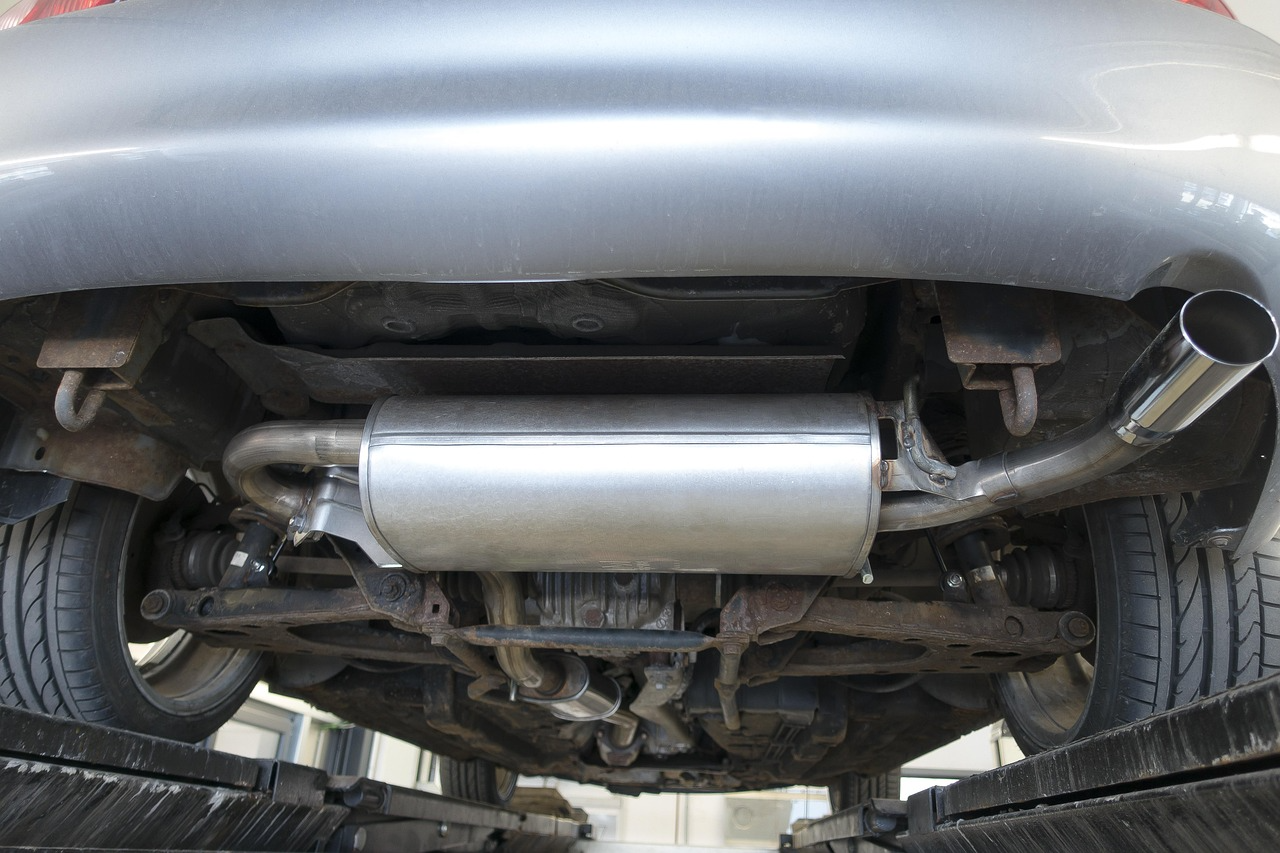
The muffler is a critical part of the exhaust system designed to control sound and direct exhaust gases safely away from the vehicle. When the engine burns fuel, it produces exhaust gases under high pressure.
Without a muffler, these gases would exit the engine loudly and forcefully.
“Inside the muffler are chambers and passages that reduce sound by slowing and redirecting exhaust flow. This process makes the vehicle quieter and more comfortable to drive.”
At the same time, the muffler helps maintain proper exhaust pressure, which supports efficient engine operation.
Many drivers confuse the muffler with other exhaust components. The exhaust pipe carries gases from the engine toward the rear of the vehicle.
The catalytic converter reduces harmful emissions before gases reach the muffler. While each component has a different role, damage to one often affects the others.
When muffler damage occurs, it can disrupt exhaust flow, increase noise, and strain the entire exhaust system. Understanding this connection helps explain why even small exhaust issues should be taken seriously.
Common Symptoms of Car Muffler Problems
Recognizing early warning signs allows drivers to address issues before major damage occurs. Below are the most common symptoms associated with muffler and exhaust system failures.
Loud or Unusual Exhaust Noise
One of the earliest signs of muffler trouble is loud exhaust noise. A healthy muffler keeps engine sounds controlled and consistent. When it becomes damaged, the vehicle may produce roaring, rumbling, or popping sounds.
The noise often becomes louder during acceleration or when starting the car. This usually indicates an exhaust leak, internal muffler damage, or broken exhaust connections.
Rattling Noise Under the Car
A rattling noise under the car often points to loose or broken exhaust components. Over time, mounting brackets and hangers wear out, causing the muffler or exhaust pipe to move excessively.
Rattling may occur when driving over bumps, during idle, or when shifting gears. Ignoring this noise can allow parts to detach, creating additional exhaust pipe damage and safety risks.
Exhaust Fumes Smell
An exhaust fumes smell inside or near the vehicle is a serious concern. Exhaust gases should exit behind the car, not leak underneath or into the cabin. Leaks near the engine or along the exhaust system can allow fumes to enter through vents or floor gaps.
This symptom requires immediate attention, as prolonged exposure to exhaust gases can be harmful.
Vehicle Vibrations and Shaking
Car vibration noise during idle or driving can also indicate muffler or exhaust issues. Damaged components disrupt exhaust flow and create uneven pressure, leading to vibrations felt through the steering wheel, floor, or seats.
Reduced Fuel Efficiency
When exhaust gases cannot flow freely, engine performance suffers. This often results in reduced fuel efficiency as the engine works harder to push gases out. Drivers may notice increased fuel consumption without changes in driving habits.
Main Causes Behind Muffler and Exhaust Damage
Muffler and exhaust damage develops gradually due to environmental exposure, driving conditions, and vehicle age.
Rust and Corrosion
Rusted muffler issues are among the most common exhaust problems. Moisture collects inside the muffler during normal operation. If the exhaust system does not heat up long enough to evaporate this moisture, rust forms from the inside out.
Road salt and humid conditions accelerate muffler corrosion, especially in older vehicles. Once rust weakens the metal, cracks and holes develop, leading to leaks and noise.
Impact and Road Damage
Speed bumps, potholes, and road debris can strike low hanging exhaust components. Even minor impacts may bend or crack exhaust parts, leading to exhaust leaks or misalignment.
Exhaust Leaks
“An exhaust leak occurs when gases escape through cracks, holes, or worn joints. Leaks reduce efficiency, increase noise, and allow fumes to escape before reaching the rear of the vehicle.”
Over time, leaks worsen and damage surrounding components.
Normal Wear and Aging
Exhaust systems endure extreme temperature changes, vibration, and constant exposure to the elements. As vehicles age, these factors lead to car exhaust problems that are often unavoidable without maintenance.
Is It Safe to Drive With a Damaged Muffler?
Driving with a damaged muffler poses more than just comfort issues. Safety risks increase when exhaust gases do not exit the vehicle properly.
Carbon monoxide is a byproduct of combustion and is present in exhaust fumes. If the exhaust system leaks, this gas can enter the vehicle cabin without warning. Even short exposure can cause headaches, dizziness, and serious health concerns.
Vehicle emissions are also affected by exhaust damage. A faulty system may fail emissions testing, leading to registration issues or fines. Excessive noise from a damaged muffler may also violate local regulations.
In addition, unresolved exhaust problems can cause strain on engine components, increasing repair costs over time.
Muffler Repair vs Muffler Replacement: How to Decide
Choosing between muffler repair and muffler replacement depends on the severity and extent of the damage.
When Muffler Repair Is Appropriate
Muffler repair may be sufficient if the issue is limited to:
- Small exhaust leaks
- Loose brackets or hangers
- Minor surface rust
- Isolated damage to a single section
Early repairs can restore proper function and prevent further deterioration.
When Muffler Replacement Is the Better Option
Muffler replacement becomes necessary when:
- Rust has spread extensively
- Internal components are damaged
- The muffler has multiple leaks
- Repairs would be temporary or ineffective
Replacing the muffler often improves noise control, restores performance, and reduces the likelihood of recurring problems.
How to Prevent Future Exhaust and Muffler Issues
Preventive exhaust system maintenance can significantly extend component life.
Regular inspections help identify early signs of wear or leaks. Paying attention to unusual sounds, vibrations, or smells allows drivers to act before damage worsens.
Driving habits also play a role. Allowing the vehicle to warm up fully during trips helps reduce moisture buildup. Avoiding rough terrain when possible minimizes impact damage.
Scheduling a professional car noise diagnosis at the first sign of trouble can prevent costly repairs later.
When to Get a Professional Exhaust Inspection
Certain symptoms should never be ignored. Persistent loud exhaust noise, strong fumes, visible rust, rattling sounds, or a check engine light exhaust warning indicate the need for immediate inspection.
A professional exhaust inspection identifies leaks, corrosion, and internal damage that may not be visible from outside. Proper diagnostics ensure the correct repair or replacement decision is made.
Delaying inspection often leads to higher repair costs and increased safety risks.

How Discount Car Care Helps With Muffler and Exhaust Problems?
Discount Car Care offers thorough solutions for car muffler problems and exhaust system concerns. Our process begins with a detailed inspection to identify the exact source of the issue.
Our technicians explain findings clearly and recommend muffler repair or exhaust system repair based on the vehicle’s condition and long-term reliability. The focus is always on safety, performance, and cost effectiveness.
By addressing exhaust issues early and providing honest guidance, DCC Katy helps drivers maintain quieter, safer, and more efficient vehicles. Contact us to book an appointment today.