

April 17, 2026
Car Vibration: Causes, Diagnosis, and Fixes for Katy Drivers
Car Vibration: Causes, Diagnosis, and Fixes
Experiencing car vibration while driving is a clear signal that something in your vehicle is not functioning as it should. While some drivers assume it is a minor inconvenience, vibration often indicates mechanical issues that can worsen over time.
What starts as a slight shake can develop into a serious safety concern if left unchecked.
In Katy, TX, factors such as high temperatures, long commutes, and frequent stop-and-go traffic can accelerate wear on critical vehicle components. This makes it even more important to understand the root causes of vibration and address them early.
This guide breaks down how to identify, diagnose, and fix vibration issues so you can maintain a smooth and safe driving experience.

__________________________________________________________________________________
TL;DR:
- Car vibration usually comes from tires, brakes, suspension, or engine-related issues
- When the vibration happens (speed, braking, accelerating, or idle) helps identify the exact cause
- Ignoring vibration can lead to safety risks and more expensive repairs over time
- Fix costs vary from simple tire balancing to more complex engine or drivetrain repairs
- Professional inspection at Discount Car Care in Katy helps diagnose the exact issue early and avoid costly damage
________________________________________________________________________________________________
Common Signs of Car Vibration
Recognizing the symptoms of car shaking causes early helps prevent more serious damage. The way your car vibrates often points directly to the underlying issue.
One of the most noticeable symptoms is steering wheel vibration. If the steering wheel shakes while driving, especially at higher speeds, it usually indicates tire imbalance or alignment issues.
This type of vibration tends to increase as speed rises and is often most noticeable on highways.
Another common symptom is a general vibration in car body, which can be felt through the seat or floor. This type of vibration often suggests problems with the drivetrain or suspension system rather than just the tires.
Drivers may also experience vibration accompanied by unusual noises. Humming, grinding, or clicking sounds alongside shaking often point to mechanical wear, such as wheel bearing problems or damaged brake components.
Some vibrations are subtle at first and only appear under certain conditions. Over time, these vibrations become stronger and more frequent, indicating that the issue is progressing.
[If your car starts vibrating suddenly without any recent impact or repair, it is often a sign of internal wear rather than an external issue.]
When Does the Vibration Happen? (Diagnosis Guide)
Understanding when vibration occurs is the most effective way to perform an initial vehicle shaking diagnosis. Different conditions point to different systems.
At High Speeds
If you notice vehicle vibration at high speed, the most likely cause is tire imbalance. Uneven weight distribution in the tires leads to inconsistent rotation, which becomes more noticeable as speed increases. This is one of the most common and easiest issues to fix.
Another possible cause is poor alignment. Wheel alignment problems affect how your tires make contact with the road, leading to instability and uneven wear.
While Braking
If the vibration occurs when you apply the brakes, it is usually related to brake vibration issues. The most common reason is warped brake rotors, which create uneven pressure when braking.
This type of vibration is often felt through the brake pedal and steering wheel, making it easier to identify.
While Accelerating
Vibration during acceleration often points to drivetrain or axle problems. Car vibration while accelerating can be caused by damaged CV joints or axle vibration issues, especially in vehicles that have experienced heavy use or poor road conditions.
At Idle
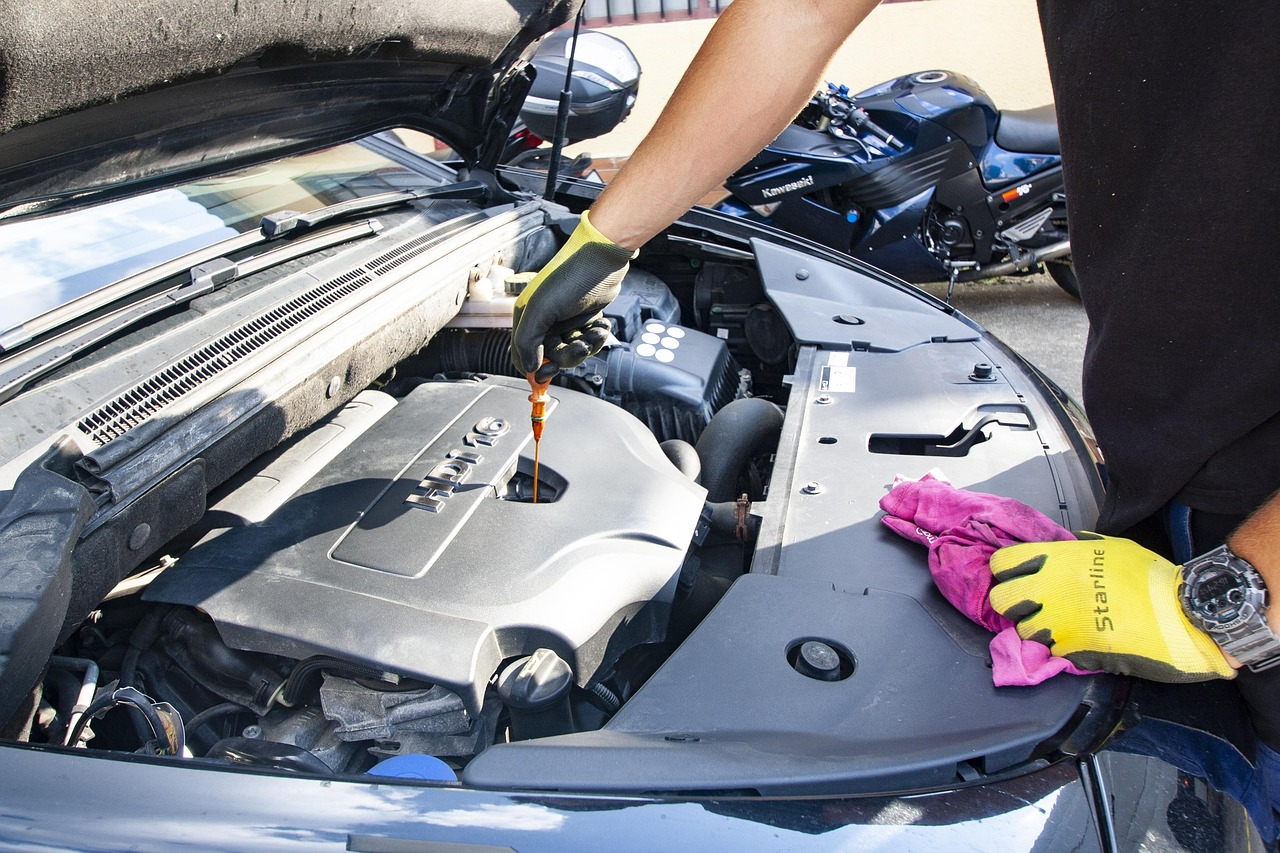
If your car vibrates even when it is not moving, the issue is likely internal. Engine vibration reasons include misfires, worn mounts, or fuel system problems.
This type of vibration is usually steady and does not depend on speed or road conditions.
[Matching the timing of vibration to driving conditions can reduce guesswork and help identify the problem before inspection.]

Main Causes of Car Vibration
There are several systems in your vehicle that can cause car vibration, and each one requires a different approach to repair.
Tire and Wheel Issues
Tires are the most common source of vibration. Tire imbalance symptoms include shaking at high speeds and uneven tread wear. Over time, this leads to reduced performance and shorter tire lifespan.
Physical damage, such as bent rim vibration can also cause instability. Even minor impacts can affect how the wheel rotates.
Loose components are another concern. Loose wheel symptoms should never be ignored, as they can lead to serious safety risks.
Brake System Problems
Brake-related vibration is usually caused by uneven surfaces in the braking system. Brake vibration issues often result from worn or warped brake rotors.
When rotors lose their smooth surface, they create inconsistent contact with the brake pads, leading to shaking during braking.
Suspension Problems
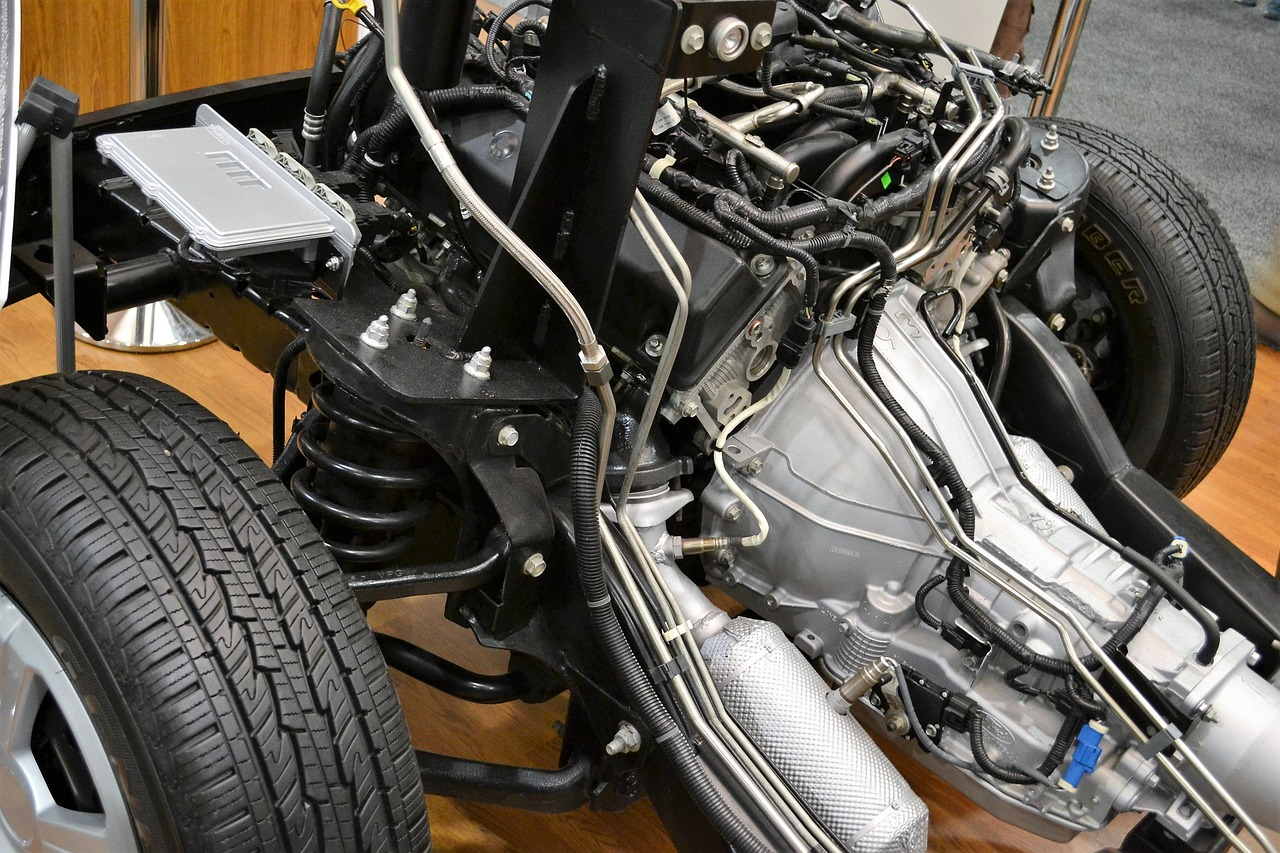
Your suspension system plays a key role in maintaining stability. Suspension vibration causes include worn shocks, damaged bushings, or loose joints.
When suspension components wear out, they fail to absorb road impact properly, leading to a rough and unstable driving experience.
Engine and Drivetrain Issues
Internal components can also cause vibration. Drivetrain vibration and engine-related issues often result in shaking that is not tied to speed alone.
Problems such as worn mounts, misfires, or damaged axles can create persistent vibration that affects overall vehicle performance.
[Most vibration problems start small. Addressing them early prevents them from spreading to other components.]
Is It Safe to Drive With Car Vibration?
Driving with car vibration is not recommended, even if the issue seems minor.
Small vibrations may not affect immediate safety, but they usually indicate underlying wear. Over time, this wear spreads to other parts, increasing the risk of breakdown.
More severe vibrations, especially those affecting braking or steering, can compromise vehicle control. This creates a direct safety risk, particularly at higher speeds or in heavy traffic.
Ignoring vibration also leads to higher repair costs. What could have been a simple fix may turn into a more complex and expensive problem.
[If vibration affects your ability to steer or brake smoothly, stop driving and have the vehicle inspected immediately.]
Cost to Fix Car Vibration Issues
The cost of fixing car vibration varies depending on the root cause.
Simple solutions such as tire balancing or alignment are usually affordable and can resolve many cases of highway vibration issues quickly.
Brake repairs fall into a moderate range. Replacing worn pads or rotors is necessary to maintain safe braking performance and eliminate vibration.
Suspension repairs can vary. Replacing worn components such as shocks or bushings may be manageable, but more extensive damage increases costs.
Engine and drivetrain repairs are typically the most expensive. Fixing engine vibration reasons or replacing damaged axles requires more labor and specialized parts.
The most important factor is timing. Early diagnosis reduces both repair complexity and cost.
How to Prevent Car Vibration Problems
Preventing car vibration starts with consistent maintenance and attention to early warning signs.
Regular tire maintenance is essential. Proper inflation and rotation help prevent uneven tire wear, which is a leading cause of vibration.
Alignment checks should be performed periodically, especially after driving on rough roads. Wheel alignment problems develop gradually and often go unnoticed until vibration becomes noticeable.
Brake maintenance is another key factor. Replacing worn components before they become uneven prevents vibration during braking.
Drivers should also remain aware of how their vehicle feels. Changes in handling, noise, or comfort often indicate early-stage issues that can be addressed quickly.

Professional Car Inspection in Katy, TX
If your vehicle is experiencing car vibration, a professional inspection is the most reliable way to identify and fix the issue.
At Discount Car Care in Katy, TX, inspections focus on identifying the exact cause rather than making assumptions. Whether the problem lies in the tires, brakes, suspension, or engine, a structured diagnostic process ensures accurate results.
Katy’s driving conditions, including heat, traffic, and road wear, make regular inspections even more important. These factors accelerate component wear, increasing the likelihood of vibration over time.
Addressing vibration early improves safety, restores driving comfort, and prevents long-term damage. If your car is not driving smoothly, getting it checked now is the most practical step you can take.
Book an appointment with us today and get rid of your car vibration problems.