

April 3, 2026
Is It Safe to Drive With That Warning Light On?
Car Warning Lights Meaning: When It’s Safe to Drive and When to Stop
Why Car Warning Lights Should Never Be Ignored
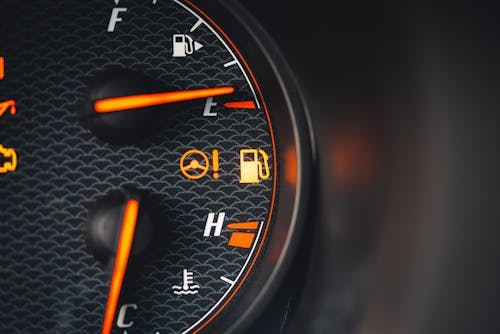
Car warning lights are not just random symbols on your dashboard. They are your vehicle’s way of telling you that something needs attention. Many drivers see a light come on, assume the car is still running fine, and continue driving.
That approach often turns a small issue into a major repair.
Modern vehicles are designed with sensors that monitor key systems such as the engine, brakes, battery, and tires. When something falls outside the normal range, a warning light appears. This early alert is meant to help you act before damage occurs.
Ignoring these signals can lead to:
- Higher repair costs
- Sudden breakdowns
- Safety risks while driving
[A warning light is not just a suggestion. It is an early warning system designed to protect your car and your safety.]
For drivers in Katy, TX, where daily commutes, traffic, and heat put extra strain on vehicles, paying attention to dashboard warning lights becomes even more important.
________________________________________________________________________________________________
TL;DR:
- Car warning lights are early signals that something needs attention; ignoring them can lead to costly repairs and safety risks
- Red lights mean stop immediately, yellow lights require quick action, and green lights are informational
- Common warning lights like check engine, oil pressure, and brake alerts can range from minor issues to serious failures
- You can drive short distances with some warnings, but critical lights require stopping the car right away
- Getting a professional inspection early helps prevent major damage and keeps your car safe and reliable
- Discount Car Care helps diagnose warning lights quickly with clear explanations and practical solutions so you can avoid bigger problems
________________________________________________________________________________________________
Understanding the Colors: Red vs Yellow vs Green Lights
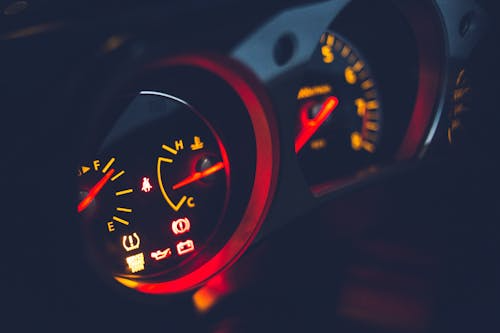
Not all warning lights mean the same thing. The color of the light gives you a quick indication of how serious the issue is.
Red Warning Lights – Stop Immediately
Red lights signal a serious problem that requires immediate attention. Continuing to drive can cause severe damage or put you at risk.
Common red warning lights include:
- Oil pressure warning
- Engine overheating
- Brake system failure
If you see a red light, the safest move is to pull over as soon as possible and turn off the engine.
Yellow Warning Lights – Act Soon
Yellow or amber lights indicate a problem that needs attention, but not necessarily immediate stopping. However, ignoring them for too long can lead to bigger issues.
Examples include:
- Check engine light
- ABS warning light
- Tire pressure warning
You can usually continue driving for a short distance, but you should schedule an inspection soon.
Green or Blue Lights – Informational Only
These lights are not warnings. They simply inform you that a system is active.
Examples:
- Headlights on
- Cruise control active
These do not require action.
[The color of the light tells you how urgent the situation is. Red means stop. Yellow means act soon. Green means everything is working as expected.]
Most Common Car Warning Lights and What They Mean
Understanding the most common dashboard warning lights helps you react quickly and correctly.
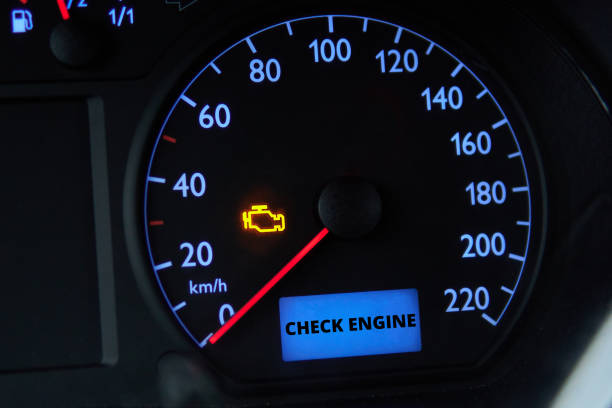
Check Engine Light
This is one of the most common and most misunderstood warning lights. It can come on for a wide range of reasons, from something minor like a loose gas cap to more serious engine issues.
If the light is steady:
- The issue may not be urgent
- You should still get it checked soon
If the light is flashing:
- This indicates a serious engine problem
- Stop driving and seek help immediately
Oil Pressure Warning Light
This light indicates that your engine is not getting enough oil pressure. Without proper lubrication, engine components can wear out quickly or fail completely.
Driving with this light on can cause:
- Severe engine damage
- Complete engine failure
This is a stop immediately situation.
Battery Warning Light
The battery light usually points to a problem with the charging system, not just the battery itself. It could be the alternator, wiring, or battery connection.
If ignored:
- Your car may suddenly shut off
- You could be left stranded
Brake Warning Light
This light can indicate:
- Low brake fluid
- Worn brake pads
- A serious brake system issue
Since brakes are directly related to safety, this should never be ignored.
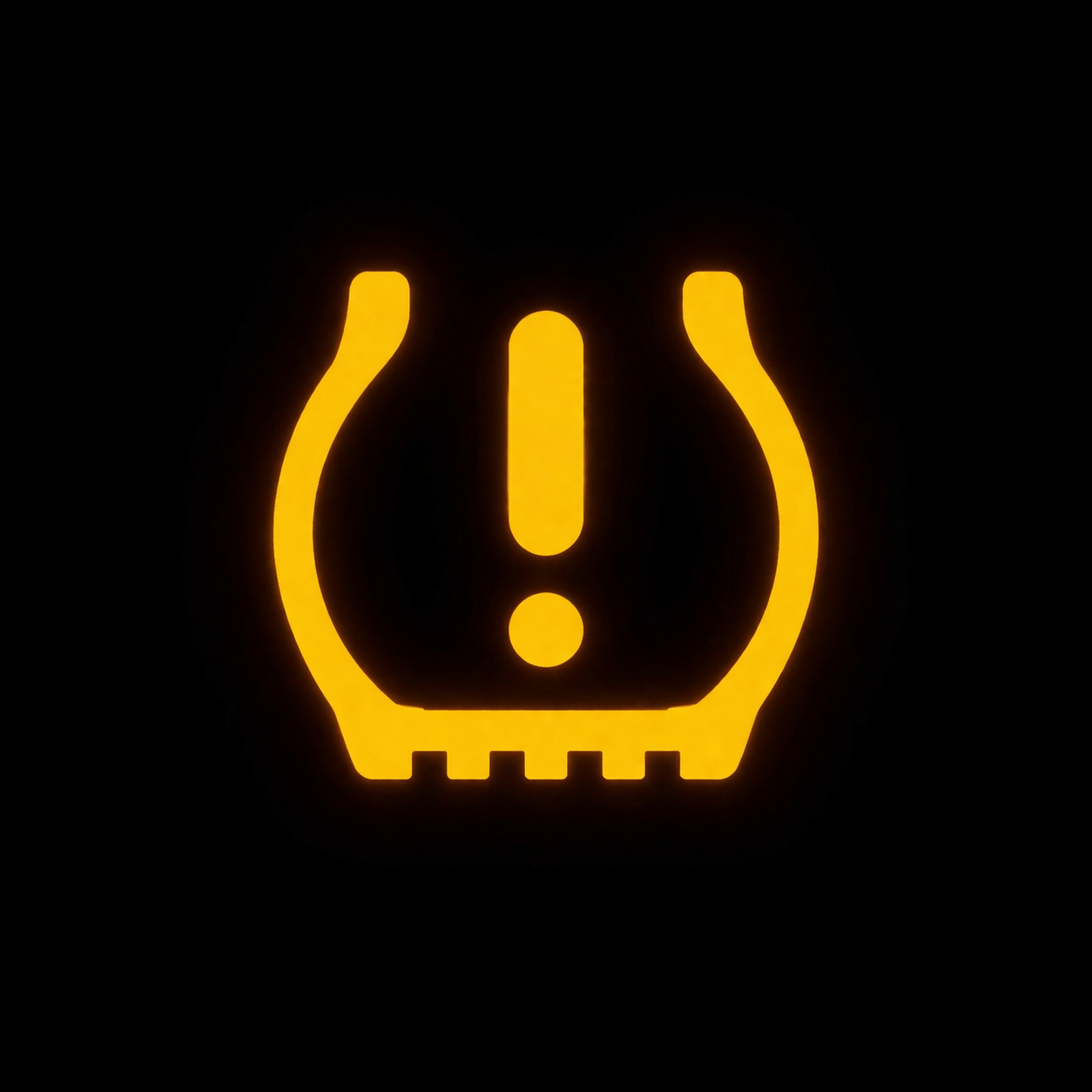
Tire Pressure Warning Light
Low tire pressure affects:
- Fuel efficiency
- Tire lifespan
- Driving safety
This is not usually an emergency, but it should be addressed quickly.
[Some warning lights may seem minor, but they often point to problems that grow worse over time if ignored.]
Is It Safe to Keep Driving? A Simple Decision Guide
When a warning light appears, the first question most drivers ask is: “Can I keep driving?”
Here is a simple way to decide.
Safe to Drive Short Distance
You can usually continue driving briefly if:
- Tire pressure is slightly low
- Maintenance reminder lights appear
Even then, plan to fix the issue soon.
Drive With Caution
Proceed carefully if:
- The check engine light is steady
- There are no noticeable performance issues
Avoid long trips and get the car inspected as soon as possible.
Stop Driving Immediately
You should stop driving if:
- Oil pressure light comes on
- The engine is overheating
- Brake warning light appears
Continuing to drive in these situations can lead to serious damage or accidents.
[If your car feels different, along with a warning light, do not take chances. Stop and check the issue.]
What Happens If You Ignore Warning Lights
Ignoring warning lights may save time in the short term, but it almost always leads to bigger problems.
Here is how small issues escalate:
- A minor sensor issue can turn into engine damage
- Low oil pressure can destroy engine components
- Brake issues can lead to unsafe driving conditions
Financially, the difference can be significant:
- Small repair: low cost and quick fix
- Major repair: expensive and time-consuming
For example, ignoring a tire pressure warning can lead to uneven wear, which shortens tire life and affects fuel efficiency.
In hot climates like Texas, problems can worsen faster due to higher temperatures, putting additional stress on your vehicle.
What You Should Do When a Warning Light Appears
Taking the right steps when a warning light appears can prevent further damage and keep you safe.
Check Your Dashboard Manual
Your vehicle manual explains what each symbol means. This is the fastest way to understand the issue.
Observe Car Behavior
Ask yourself:
- Is the car driving normally?
- Are there unusual sounds or smells?
Any abnormal behavior increases the urgency.
Avoid Long Drives
Even if the issue seems minor, avoid long trips until the problem is diagnosed.
Get a Professional Inspection
A proper inspection helps identify the root cause and prevents guesswork.
[Guessing the problem can lead to unnecessary repairs. A proper diagnosis saves both time and money.]
How Discount Car Care Helps You Stay Safe on the Road
When a warning light appears, getting clear and honest answers matters. At Discount Car Care, the focus is on helping drivers understand what is happening with their vehicle without unnecessary confusion.
Drivers benefit from:
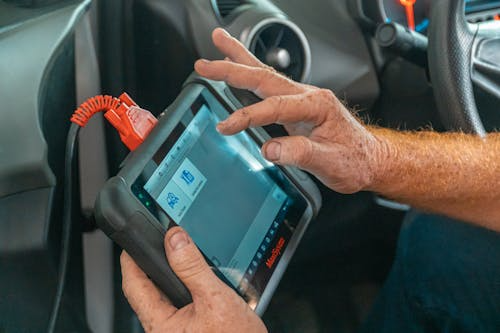
- Accurate diagnostics using professional tools
- Clear explanations in simple language
- Fast inspections to reduce downtime
- Practical solutions based on actual needs
Instead of leaving you unsure about what to do next, the goal is to give you a clear path forward so you can drive with confidence.
Whether it is a minor issue or something more serious, addressing warning lights early helps you avoid bigger problems and keeps your vehicle running smoothly. Book an appointment with us today.