

December 19, 2025
Why Does My Engine Sound Loud? Common Reasons Your Car Is Begging for Attention
A loud engine is never something to ignore. Whether it’s a sudden roar, persistent knocking, or an unusual rattle, excessive engine noise often signals underlying mechanical issues that require immediate attention.
While some level of engine noise is normal, especially in high-performance vehicles, abnormal sounds typically indicate problems ranging from minor maintenance oversights to serious internal engine damage.
Left unchecked, these issues can lead to decreased fuel efficiency, compromised vehicle performance, and expensive car repairs.
“This comprehensive guide explores every major cause of loud engine noise, explains how to diagnose the problem, and provides actionable solutions to prevent further engine damage.”
By understanding these factors, you can take proactive steps to maintain your vehicle’s health, optimize engine performance, and avoid costly breakdowns.
 ________________________________________________________________________________________________
TL;DR:
- A loud engine usually points to underlying mechanical issues that need attention
- Exhaust leaks can cause deep rumbling sounds and reduce fuel efficiency
- Low engine oil leads to ticking or knocking due to poor lubrication
- Faulty spark plugs cause misfires, popping sounds, and rough idling
- Malfunctioning fuel injectors disrupt combustion and create knocking or pinging noises
- Timing belt problems result in rattling or squealing and may lead to serious engine damage
- Discount Car Care in Katy provides expert inspections and repairs to keep your vehicle running smoothly
________________________________________________________________________________________________
Exhaust System Issues: A Leading Cause of Loud Engine Noise
One of the most frequent culprits behind a suddenly loud engine is an exhaust leak.
“The exhaust system is designed to channel harmful gases away from the engine while minimizing noise through mufflers and resonators.”
When this system develops leaks due to rust, physical damage, or worn-out gaskets, engine noise amplifies significantly.
Drivers often notice a deep, rumbling sound that worsens during acceleration, accompanied by decreased fuel efficiency and sometimes a strong smell of exhaust fumes inside the cabin.
Exhaust leaks should never be ignored because they allow toxic carbon monoxide to enter the vehicle’s interior, posing serious health risks.
Additionally, leaks disrupt proper backpressure in the exhaust system, leading to poor engine performance and potential damage to oxygen sensors.
A professional vehicle inspection can pinpoint the exact location of the leak, whether it’s in the manifold, catalytic converter, or muffler.
Timely repairs not only restore normal engine noise levels but also improve fuel efficiency and prevent further exhaust system deterioration.
Low Engine Oil Levels and Their Impact on Engine Noise
Engine lubrication is absolutely critical for smooth operation.
“When oil levels drop too low, metal components like pistons, bearings, and camshafts grind against each other without proper lubrication, creating distinct ticking or knocking sounds.”
These noises often start subtly but become increasingly pronounced as engine damage progresses.
Along with unusual engine noise, symptoms of low oil include overheating, reduced power output, and in severe cases, complete engine seizure.
Regular oil checks are the first line of defense against this issue.
Most manufacturers recommend checking oil levels at least once a month and changing it every 3,000 to 7,500 miles depending on driving conditions.
Using the correct oil viscosity specified in your owner’s manual ensures optimal engine lubrication.
Neglecting oil changes leads to sludge buildup, which clogs oil passages and starves critical components of lubrication.
For drivers who frequently tow heavy loads or operate in extreme temperatures, more frequent oil changes may be necessary to prevent excessive engine wear and loud operational noises.
Faulty Spark Plugs: Small Components, Big Noise Problems
Spark plugs play a vital role in the combustion process, and when they fail, the engine makes its displeasure known through various loud and irregular noises.
Worn-out or fouled spark plugs cause incomplete combustion, leading to engine misfires that manifest as popping, sputtering, or rattling sounds. These noises often accompany rough idling, poor acceleration, and noticeably worse fuel economy.
Modern vehicles typically use iridium or platinum spark plugs with long service lives, but they still require periodic replacement.
Carbon buildup on spark plugs occurs from short trips where the engine doesn’t reach optimal operating temperature, while oil fouling suggests more serious issues like worn piston rings or valve guide seals.
Replacing spark plugs at the manufacturer’s recommended intervals is a relatively inexpensive maintenance task that can prevent a cascade of other engine problems.
For optimal performance and noise reduction, always use the exact spark plug type specified for your vehicle’s engine.
Malfunctioning Fuel Injectors and Their Role in Engine Noise
Fuel injectors are precision components that deliver atomized fuel into the combustion chamber in exact quantities.
“When fuel injectors become clogged with deposits or fail electronically, the engine’s air-fuel mixture becomes unbalanced, leading to loud knocking or pinging sounds known as detonation.”
These noises occur when fuel burns unevenly or at the wrong time in the combustion cycle. Other symptoms include rough idle, hesitation during acceleration, black smoke from the exhaust, and a significant drop in fuel efficiency.
Regular use of quality fuel injector cleaner can prevent many of these issues, but severely clogged injectors may require professional cleaning or replacement.
Modern direct-injection engines are particularly prone to carbon buildup on intake valves since fuel no longer flows past them to provide cleaning action.
This buildup disrupts airflow and can contribute to loud engine operation.
Addressing fuel injection problems promptly not only reduces engine noise but also restores power and prevents long-term damage to pistons and cylinder walls from improper combustion.
Timing Belt Problems: When Synchronization Fails
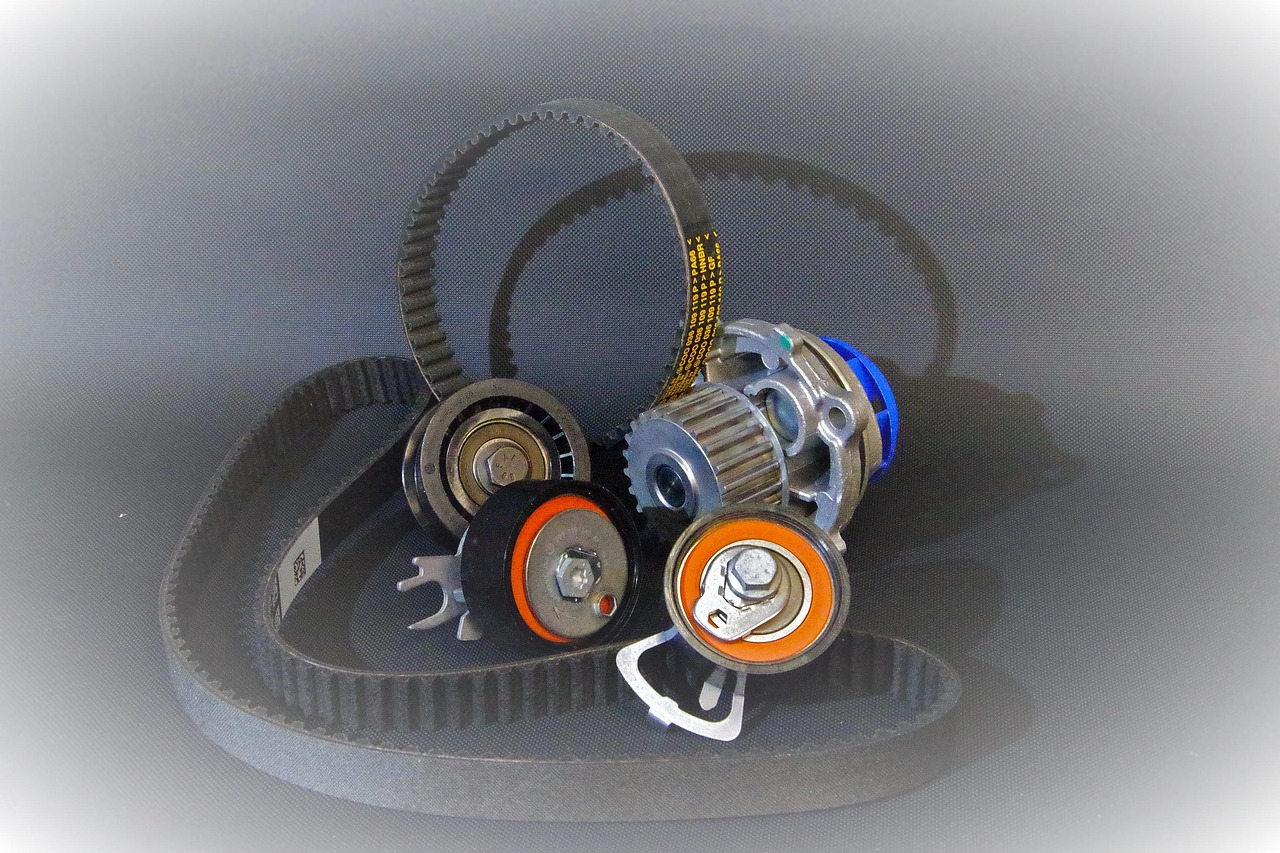
The timing belt (or chain in some vehicles) synchronizes the rotation of the crankshaft and camshaft to ensure valves open and close at precisely the right moments.
When this critical component wears out or becomes misaligned, the engine produces distinct rattling or squealing noises.
In interference engines, a broken timing belt can cause catastrophic damage as pistons collide with open valves.
Warning signs of timing belt issues include high-pitched squealing at startup, erratic engine performance, and in severe cases, complete engine failure.
Most manufacturers recommend timing belt replacement between 60,000 and 100,000 miles, but this interval shortens in harsh operating conditions.
Unlike some other engine components, timing belts often show no visible signs of wear before failure, making adherence to replacement intervals crucial.
A professional inspection can assess belt condition and tension, preventing unexpected failures that lead to loud engine noises and potentially massive repair bills.
Excessive Engine Load and Its Acoustic Consequences
Engines forced to work beyond their designed capacity produce significantly more noise.
This occurs when towing heavy loads, driving in mountainous terrain, or operating with malfunctioning components that increase resistance, like a stuck brake caliper or failing alternator.
The increased strain makes the engine work harder, amplifying all operational sounds.
Managing engine load involves several strategies: using lower gears when climbing steep grades to maintain proper RPM, avoiding maximum payload capacities in hot weather, and ensuring all drivetrain components are in good working order.
Vehicles subjected to frequent heavy loads may benefit from auxiliary cooling systems or performance upgrades to handle the additional stress more quietly and efficiently.
Recognizing the difference between normal load-induced noise and sounds indicating mechanical failure is key to preventing long-term engine damage.
Internal Engine Problems: The Most Serious Noise Sources
When loud knocking or rattling persists regardless of engine speed or temperature, internal mechanical failure is likely.
Common culprits include worn main bearings, damaged piston pins, or failing valve train components.
These problems often start as intermittent noises that worsen over time, eventually leading to complete engine failure if unaddressed.
“Diagnosing internal engine problems requires professional expertise and often involves oil analysis, compression testing, or borescope inspections.”
Early intervention can sometimes save an engine through repairs like bearing replacements or valve adjustments, while advanced cases may require complete engine rebuilding or replacement.
Regular oil changes with quality lubricants and prompt attention to any unusual sounds are the best defenses against catastrophic internal engine damage.
Preventive Measures to Avoid Loud Engine Problems
Consistent engine maintenance is the most effective way to prevent loud engine noises and extend vehicle life.
This includes adhering to all manufacturer-recommended service intervals for oil changes, belt replacements, and spark plug renewals. Using high-quality fuels and lubricants reduces harmful deposits that contribute to noisy operation.
At the first sign of unusual engine noise, a professional diagnostic check can identify issues before they escalate.
Modern engine diagnostics tools can pinpoint problems that might elude even experienced mechanics relying solely on auditory clues.
Investing in regular inspections pays dividends through avoided repairs and maintained vehicle value.
For engines subjected to harsh conditions, such as frequent towing, extreme temperatures, or stop-and-go driving, more frequent maintenance may be necessary.
Upgrading to high-performance components in these cases can reduce wear and associated noise. Always consult with a trusted mechanic to develop a maintenance schedule tailored to your specific driving patterns and vehicle requirements.
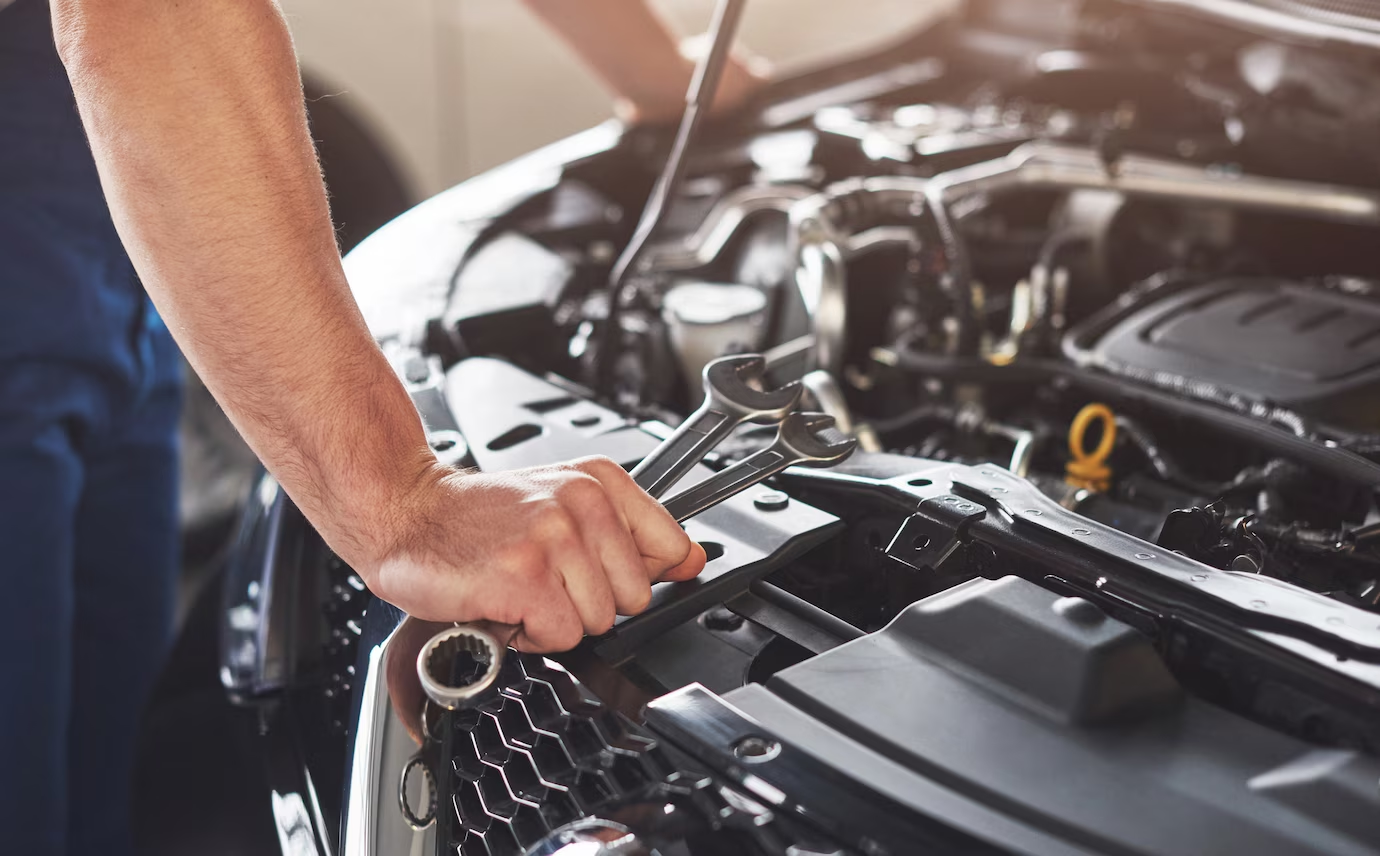
How can Discount Car Care Katy help?
A loud engine serves as your vehicle’s distress signal, indicating anything from minor maintenance needs to serious mechanical failures.
By understanding the various causes, exhaust leaks, lubrication issues, ignition problems, and internal engine damage, you can take appropriate action before small issues become major repairs.
Regular maintenance remains the cornerstone of prevention, preserving engine quietness, performance, and longevity.
When unusual noises emerge, prompt professional diagnosis and repair to protect your investment and ensure safe, efficient operation.
If your engine is making unusual noises, don’t wait; visit Discount Car Care in Katy for expert diagnostics and repairs.
Our certified technicians have the tools and expertise to pinpoint and resolve issues, keeping your vehicle running safely and smoothly. Schedule your service today!