

July 10, 2026
Why Your Car Shakes While Driving and What It Could Mean?
Why Your Car Shakes While Driving and What It Could Mean
Few things feel more concerning than noticing your car shaking while driving. Sometimes the vibration is small and barely noticeable. Other times, the steering wheel shakes so much that it becomes difficult to drive comfortably.
The problem is that vehicle vibrations can come from many different parts of your car. Tires, brakes, suspension components, wheel bearings, and even engine problems can all create shaking or vibrations while driving.
Some issues are minor and inexpensive to fix, while others can quickly turn into serious safety concerns if ignored.
The good news is that the type of shaking your car experiences often gives important clues about what might be wrong.
For example, shaking while braking usually points toward brake-related issues, while vibrations at higher speeds are commonly linked to tires or wheel alignment problems.
Understanding these warning signs early can help you avoid larger repairs, protect your safety, and improve your overall driving experience.
In this guide, we’ll break down the most common reasons behind car vibration while driving and explain what each symptom could mean for your vehicle.
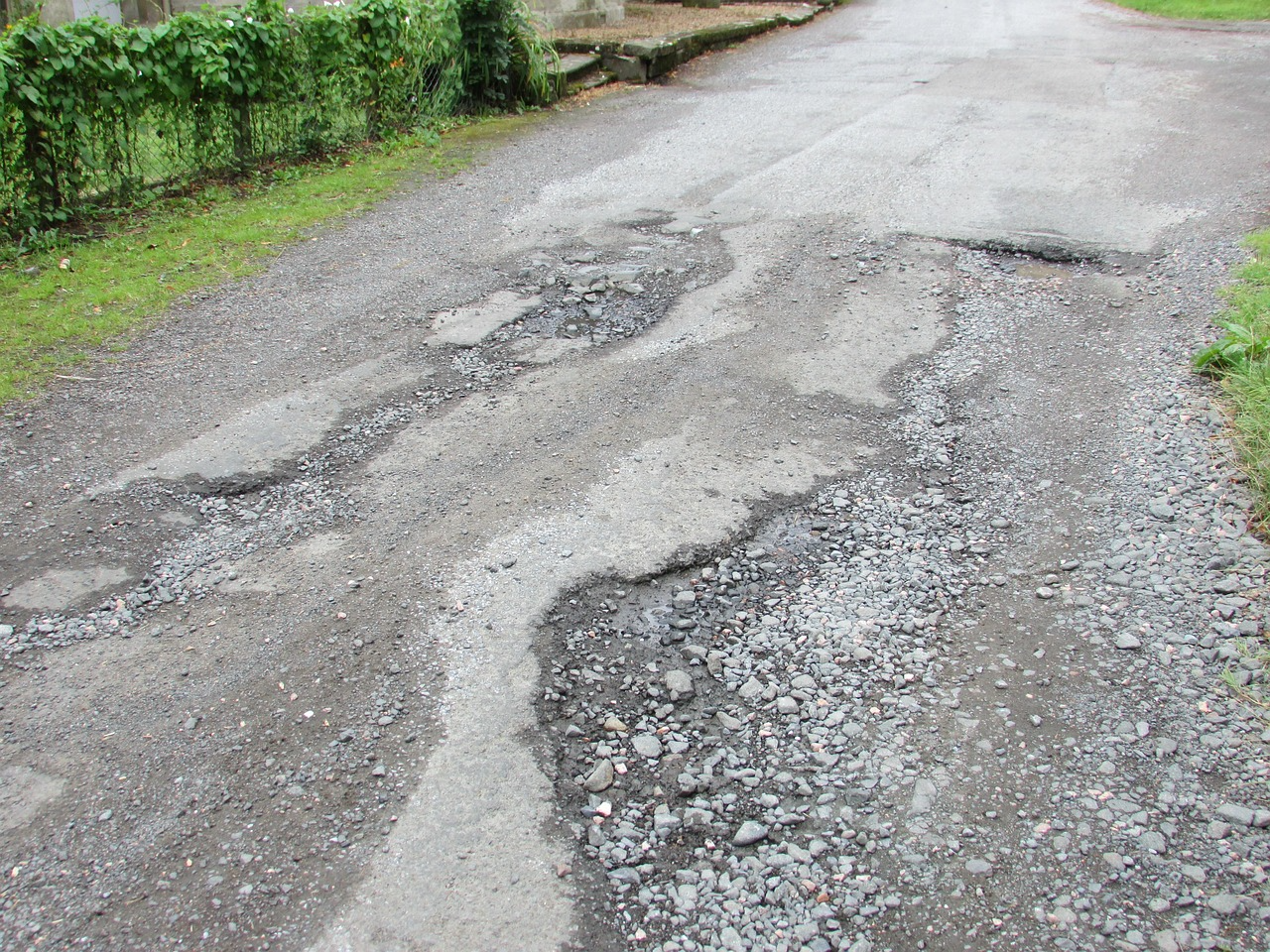
[If your vehicle recently started vibrating after hitting a pothole or rough road, it’s important to have the tires and suspension checked before the problem worsens.]
________________________________________________________________________________________________
TL;DR:
- Car shaking while driving can be caused by tires, brakes, suspension issues, wheel bearings, or engine problems.
- Vibrations at high speeds often point to tire balance problems or wheel alignment issues.
- Shaking while braking is commonly linked to warped brake rotors or brake system wear.
- Ignoring vehicle vibrations can lead to larger repair costs, unsafe handling, and faster tire wear.
- Discount Car Care can inspect the source of the vibration and help restore a smoother, safer driving experience.
________________________________________________________________________________________________
Is It Normal for a Car to Shake While Driving?
A small amount of vibration can sometimes happen while driving, especially on rough roads or uneven pavement. However, constant shaking, steering wheel vibration, or strong movement through the brake pedal is not considered normal.
Modern vehicles are designed to drive smoothly. When your car begins vibrating regularly, it usually means something is worn out, damaged, loose, or out of balance.
In many cases, the shaking starts gradually. Drivers may first notice a small vibration at higher speeds or while braking. Over time, the issue becomes more noticeable and begins affecting comfort, handling, and safety.
Ignoring these warning signs can lead to:
- Faster tire wear
- Suspension damage
- Brake problems
- Reduced fuel efficiency
- Unsafe driving conditions
Some vehicle vibration causes are simple maintenance issues, while others may require immediate repairs. The key is identifying the symptoms early, before they lead to more expensive problems.
What Different Types of Car Shaking Usually Mean
Different driving conditions often point toward different mechanical problems. Paying attention to when the shaking happens can help narrow down the possible cause.
Shaking at High Speeds
If your car feels smooth at lower speeds but starts vibrating on the highway, tire balance problems are one of the most common causes.
When tires are not properly balanced, the uneven weight distribution becomes more noticeable as speed increases. This creates vibrations throughout the vehicle and can make the steering wheel shake.
Other possible causes include:
- Uneven tire wear
- Bent wheels
- Wheel alignment issues
- Suspension problems
High-speed vibrations should never be ignored because they can affect vehicle stability and tire safety.
Shaking While Braking
If the vibration appears mainly when you press the brakes, warped brake rotors are often the problem.
Brake rotors should have a smooth, even surface. Over time, heat and wear can cause them to become uneven. When this happens, the brake pads cannot grip the rotor evenly, leading to brake pedal vibration and shaking while braking.
Drivers may notice:
- Pulsing in the brake pedal
- Steering wheel shaking during braking
- Vibrations that worsen at higher speeds
Brake-related shaking can reduce stopping performance and should be inspected quickly.
Steering Wheel Shaking
Steering wheel shaking often points toward issues involving:
- Front tires
- Wheel balancing
- Alignment
- Suspension components
If the steering wheel vibrates constantly, the issue may involve the front wheels or suspension system. If the shaking only appears during braking, the brakes are more likely responsible.
A loose or damaged suspension component can also make the steering feel unstable while driving.
Shaking While Accelerating
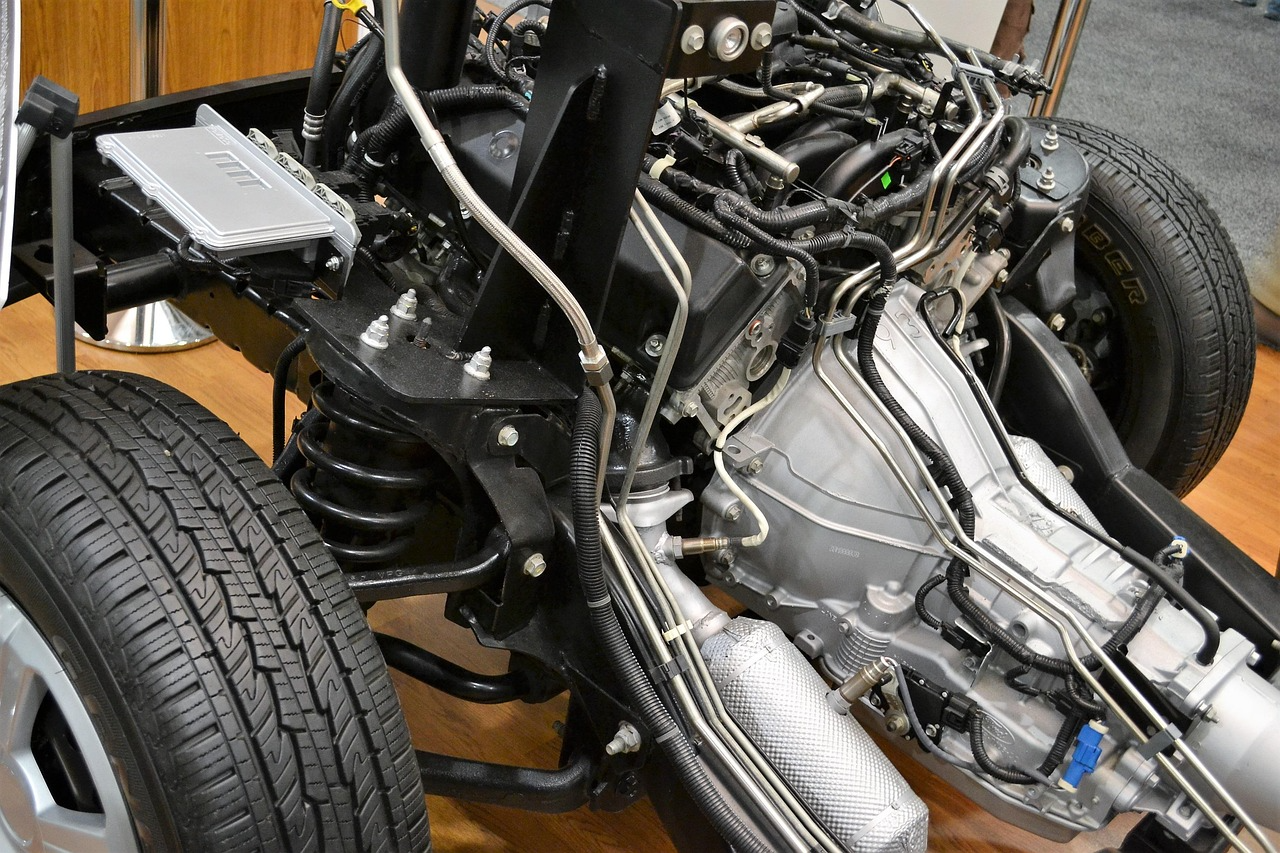
If your car shakes when accelerating, the issue may come from the drivetrain, engine, or ignition system.
Common causes include:
- Engine misfire symptoms
- Worn spark plugs
- Fuel delivery problems
- Damaged motor mounts
Sometimes the vehicle may also feel sluggish or hesitate during acceleration. In some cases, the check engine light may appear alongside the vibration.
Shaking While Idling
A car that vibrates while stopped or idling may have engine-related issues.
Common causes include:
- Dirty fuel injectors
- Worn spark plugs
- Engine mount damage
- Air intake problems
If the vibration becomes stronger when the air conditioning is on or while sitting at a stoplight, it’s usually a sign the engine needs attention.
[Vibrations that become stronger over time are usually a sign that the underlying problem is getting worse, not better.]
The Most Common Causes of Car Shaking While Driving
Tire Balance Problems
Tire balance problems are among the most common causes of car shaking while driving.
Every tire and wheel assembly must be balanced evenly to rotate smoothly. Over time, normal wear or road impacts can throw the balance off.
Signs of tire balance issues include:
- Vibrations at highway speeds
- Steering wheel shaking
- Uneven tire wear
- Rough driving experience
Fortunately, wheel balancing is usually a quick and affordable repair.
Wheel Alignment Issues
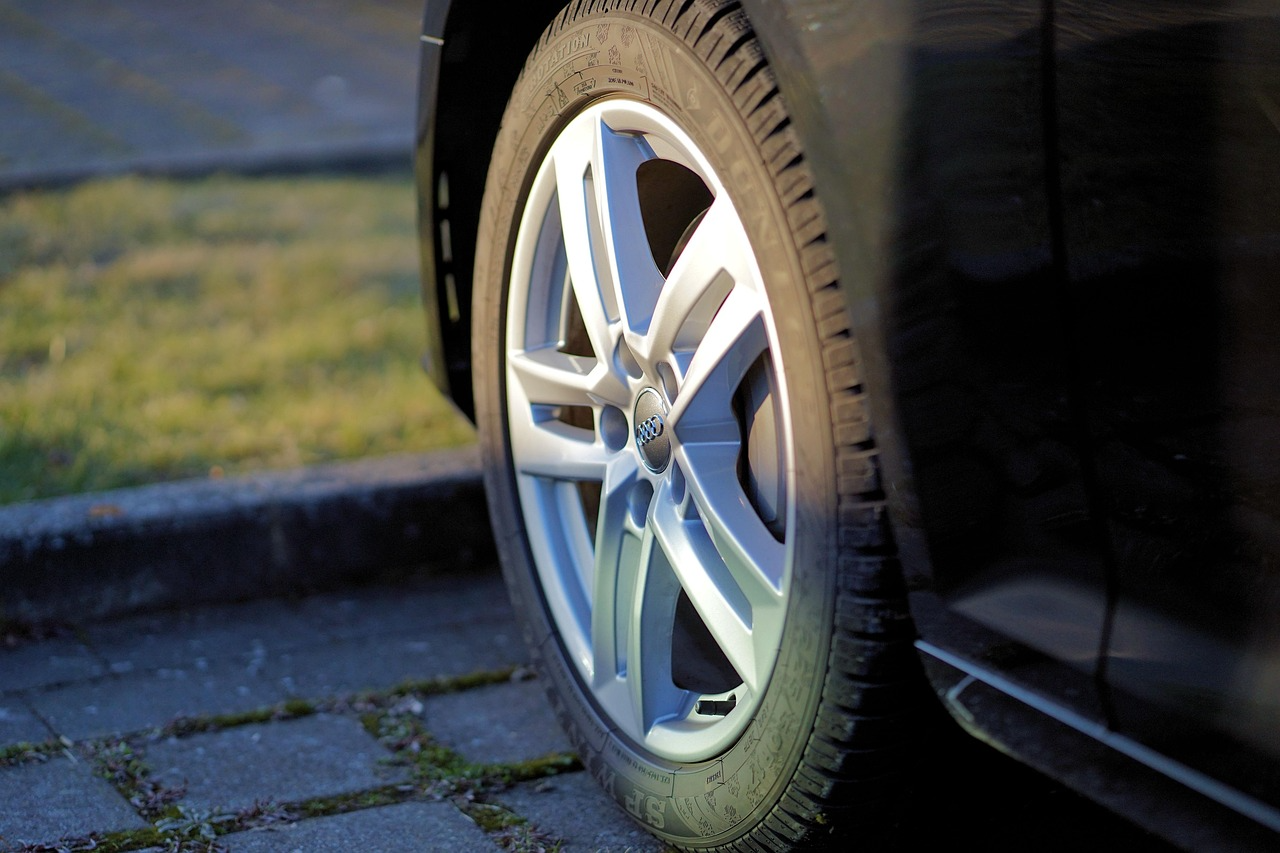
Wheel alignment issues occur when the tires are not positioned at the correct angles.
Poor alignment can happen after:
- Hitting potholes
- Driving over curbs
- Suspension wear
- Minor accidents
Misaligned wheels can cause:
- Vehicle pulling to one side
- Uneven tire wear
- Steering wheel vibration
- Reduced tire lifespan
Routine alignment checks help improve handling and extend tire life.
Uneven Tire Wear
Tires that wear unevenly can create vibrations and poor handling.
This often happens because of:
- Incorrect tire pressure
- Poor alignment
- Lack of tire rotation service
- Suspension problems
Bad tires symptoms may include:
- Loud road noise
- Shaking at high speeds
- Reduced traction
- Visible wear patterns
Worn tires can affect braking performance and overall safety, especially during wet conditions.
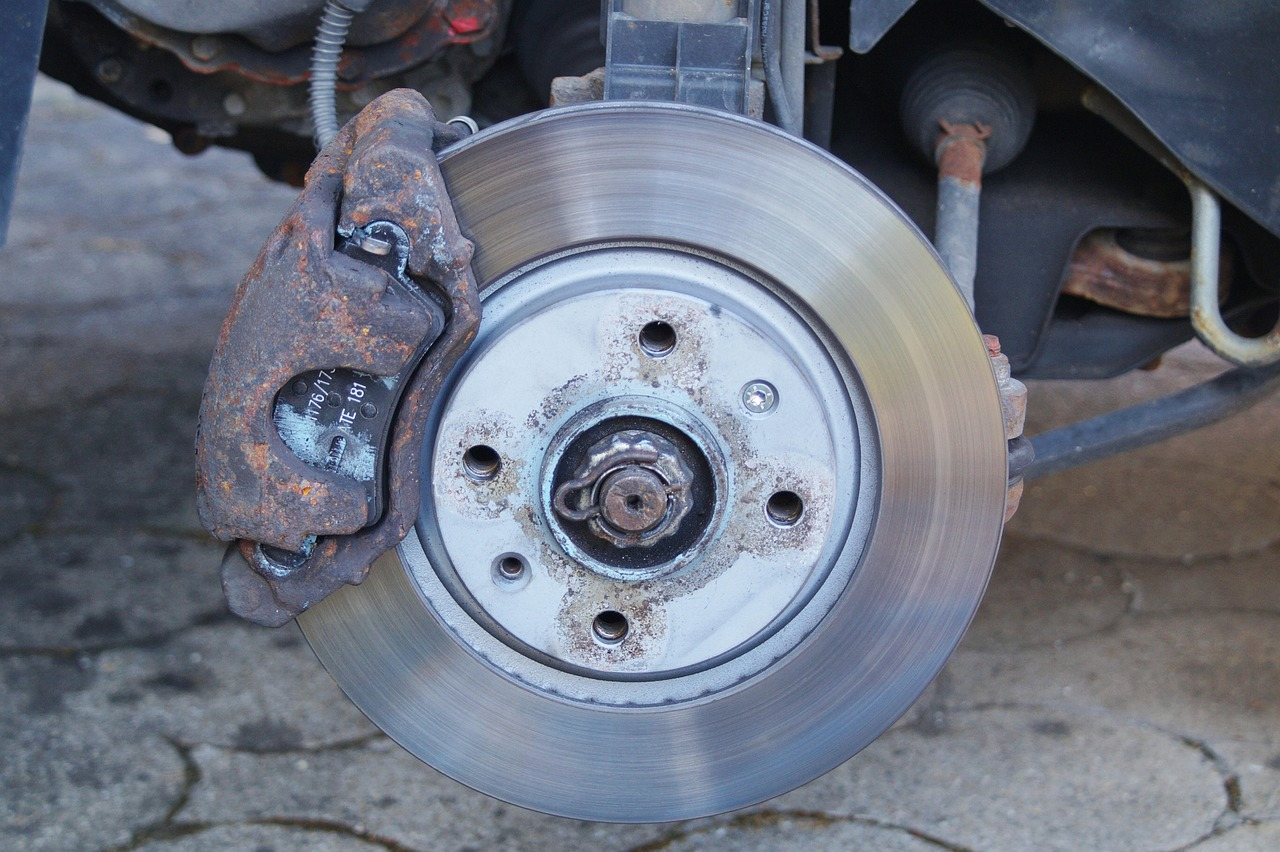
Warped Brake Rotors
Warped brake rotors are one of the leading causes of shaking while braking.
Brake rotors can become uneven because of:
- Excessive heat
- Heavy braking
- Low-quality brake components
- Long-term wear
When the rotor surface becomes uneven, the brakes create vibrations every time pressure is applied.
Common signs include:
- Brake pedal vibration
- Steering wheel shaking during braking
- Pulsing sensation while slowing down
Brake system problems should always be addressed quickly to maintain safe stopping power.
Suspension Problems
Your suspension system helps absorb road impacts and keeps the vehicle stable.
When suspension components wear out, the vehicle may start vibrating or handling poorly.
Common suspension problems include:
- Worn shocks
- Damaged struts
- Loose suspension joints
- Broken bushings
Drivers may notice:
- Excessive bouncing
- Rough driving experience
- Vehicle instability
- Steering issues
Suspension repair is important not only for comfort but also for overall vehicle control and safety.
Engine and Ignition Issues
Engine-related problems can also cause vibrations, especially during acceleration or idling.
Common engine misfire symptoms include:
- Shaking while accelerating
- Rough idling
- Loss of power
- Poor fuel economy
- Flashing check engine light
In many cases, the issue may involve:
- Spark plugs
- Ignition coils
- Fuel injectors
- Airflow sensors
Ignoring engine-related vibrations can eventually lead to more serious engine damage.
Wheel Bearing Problems:
Wheel bearing problems can create vibrations, humming noises, and unstable handling.
As they wear out, they may create:
- Grinding sounds
- Tire vibration
- Steering instability
- Shaking at certain speeds
Because wheel bearing failure can affect wheel safety, these issues should be inspected immediately.
[A vibration that appears together with unusual noises is often a sign that moving components are wearing out faster than normal.]
When Car Vibrations Become Dangerous
Some vibrations are uncomfortable but manageable temporarily. Others can quickly become dangerous.
You should stop driving and have the vehicle inspected immediately if you notice:
- Violent steering wheel shaking
- Brake failure symptoms
- Burning smells
- Loud grinding noises
- Sudden loss of control
- Severe brake pedal vibration
Driving with major suspension or brake issues can increase the risk of accidents and larger repair bills.
If the vibration suddenly becomes much worse, it’s best to avoid highway driving until the vehicle is inspected professionally.
How to Prevent Your Car From Shaking While Driving
Preventive maintenance plays a major role in avoiding vibration problems.
Simple maintenance habits can help reduce wear and keep your vehicle driving smoothly.
Rotate Your Tires Regularly
Routine tire rotation service helps prevent uneven tire wear and improves tire lifespan.
Most vehicles benefit from tire rotation every 5,000 to 7,500 miles.
Keep Tires Properly Balanced
Balanced tires improve ride comfort and reduce steering wheel shaking.
Balancing should be checked whenever:
- New tires are installed
- Vibrations appear
- Tires are repaired
Schedule Alignment Checks
Wheel alignment issues can develop gradually over time.
Having your alignment checked regularly helps:
- Improve handling
- Extend tire life
- Reduce vibrations
- Improve fuel efficiency
Inspect Brakes Frequently
Brake components wear down naturally with use.
Routine brake inspections help catch:
- Warped brake rotors
- Uneven brake wear
- Brake pedal vibration
- Safety issues
Avoid Potholes and Rough Roads When Possible
Hard impacts can damage:
- Tires
- Wheels
- Suspension components
- Alignment settings
Driving carefully over rough roads can reduce long-term suspension repair costs.
[Regular automotive inspection services can catch small vibration problems before they turn into major repairs.]
Get Your Vehicle Checked Before the Problem Gets Worse
Car shaking while driving is never something you should ignore for long. Even if the vibration seems small at first, the problem can quickly become more expensive and more dangerous over time.
In many cases, early repairs are far less costly than waiting until additional parts become damaged. A simple wheel balancing issue today could eventually lead to tire damage, suspension wear, or unsafe handling later.
At Discount Car Care, experienced technicians can inspect your vehicle, identify the source of the vibration, and recommend the right repair before the issue becomes more serious.
Whether the problem involves tires, brakes, suspension components, or engine performance, a professional automotive inspection can help restore a smoother and safer driving experience.
If your vehicle has started vibrating, shaking, or handling differently than usual, scheduling an inspection early with DCC can help you avoid bigger repairs and keep your car driving safely on the road.